‘Energy efficiency is the unifying challenge across AI’
Christian Bachmann from imec emphasizes that energy efficiency is the common thread across AI—from massive data centers to tiny sensors. The goal is the same: do more with less power.
Energy Efficiency in Artificial Intelligence

Christian Bachmann from imec emphasizes that energy efficiency is the common thread across AI—from massive data centers to tiny sensors. The goal is the same: do more with less power.

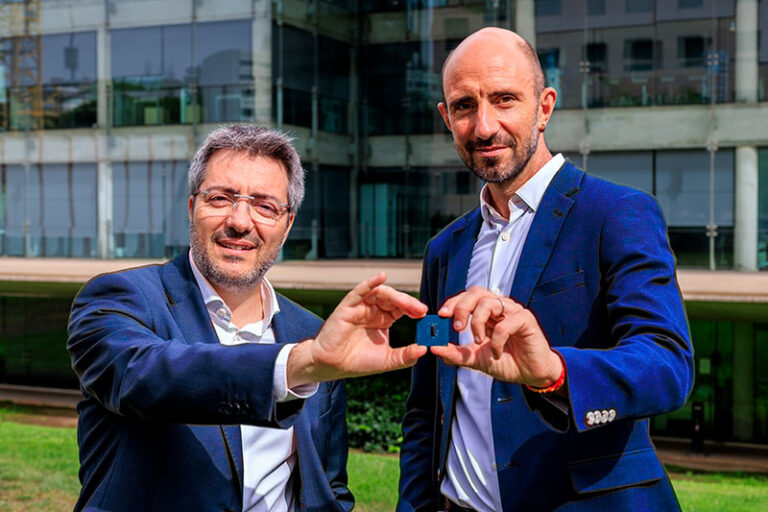
The edge AI market is booming, but deployments stall in "pilot purgatory." Axelera AI's CEO Fabrizio Del Maffeo explains how purpose-built Digital In-Memory Computing architecture eliminates the data bottleneck, making AI deployments at the edge economically viable.

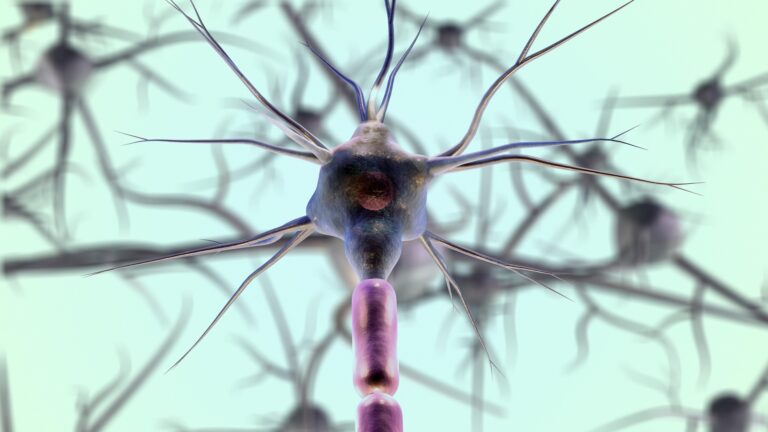
The University of Groningen professor and IMChip founder is developing neuromorphic chips inspired by the human brain that are up to 200 times more energy-efficient than conventional processors. Her message: interdisciplinary collaboration isn't optional—it's essential.

At the launch of TU/e's Casimir Institute, ASML's Head of Research warned that AI's soaring compute demand could soon outpace global energy supply. Innovation and collaboration across chip design, manufacturing, and academia are the only way forward.

Big Tech's promises of "green AI" mask an uncomfortable reality: massive energy demands, growing carbon emissions, and a shifting narrative that sidelines sustainability. Dr. Rianne Riemens unpacks how Silicon Valley is shaping our environmental futures.

As AI drives an explosion in chip demand and data center power use, Professor Hans Hilgenkamp points to neuromorphic computing as part of the solution. The brain runs on just 20 watts - can we build chips that do the same?

With its new Neuromorphic Computing Roadmap, the Netherlands positions itself as a global frontrunner in brain-inspired computing. The roadmap calls for €30 million investment to build shared facilities and accelerate innovation.

Data centres powering AI are on track to consume more electricity than some countries. A new study warns against undermining climate goals as Europe faces the challenge of balancing digital growth with sustainability.

At a Leuven briefing, imec's leadership warned that AI's hunger for compute is on a collision course with planetary limits. Their answer: squeeze far more performance per watt by pushing Moore's Law, going 3D, and lighting up chips with photonics.

At the launch of TU/e's Casimir Institute, speakers warned of AI's rising electricity footprint. From chip designers to policymakers, all agreed: AI's growth curve will collide with the planet's energy limits unless solutions are found.