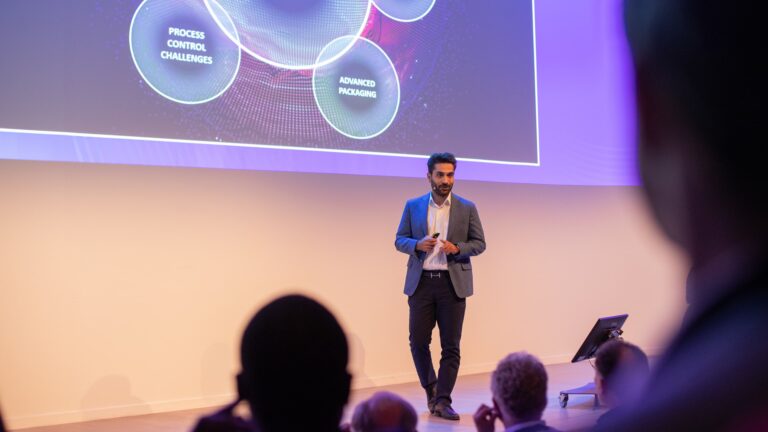
AI’s energy wall – and imec’s plan to break through

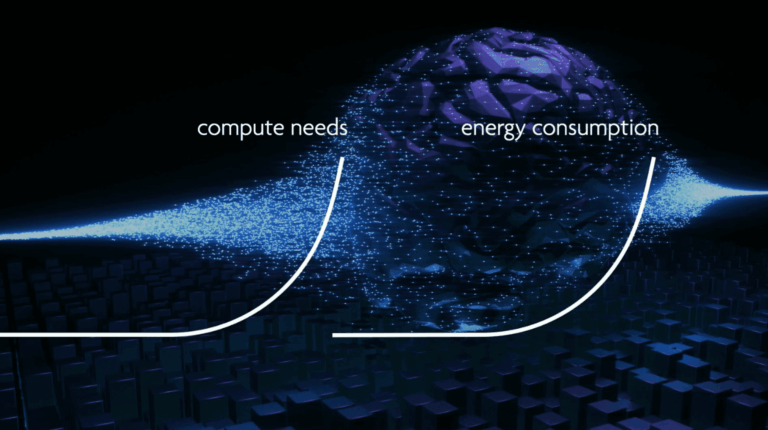
At a Leuven briefing, imec's leadership warned that AI's hunger for compute is on a collision course with planetary limits. Their answer: squeeze far more performance per watt by pushing Moore's Law, going 3D, and lighting up chips with photonics.

The chemical computer: an energy-efficient computing alternative

Mathieu Baltussen, a PhD candidate at Radboud University, has developed a prototype chemical computer using the Formose reaction. This innovative approach leverages complex chemical reaction networks for computing tasks with significantly less energy than traditional digital computers.

Deploying AI on a large scale? ‘Use photonic chips’

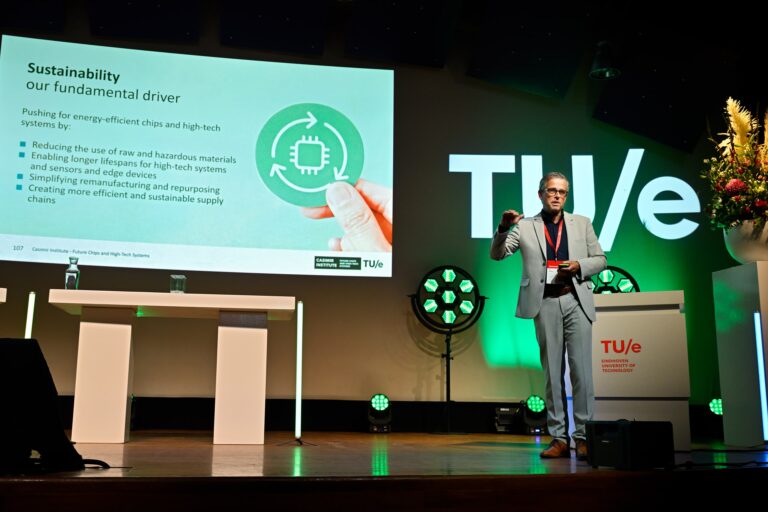
Professor Martijn Heck from TU Eindhoven explains how photonics can revolutionize AI energy efficiency by transferring data using light instead of electricity, enabling faster processing with much lower energy consumption.